

Sustainability Reporting and Guest Expectations: How Smart Hotel Technology Reduces Your Carbon Footprint
Proven sustainability initiatives have become a baseline expectation in the hospitality industry,...
Visit any hospitality setting, and you’ll find that some sort of digital technology is helping you along your journey. Like many industries, hotels and hospitality have embraced technology to save time or promote offers, but many of these new implementations remain fragmented.
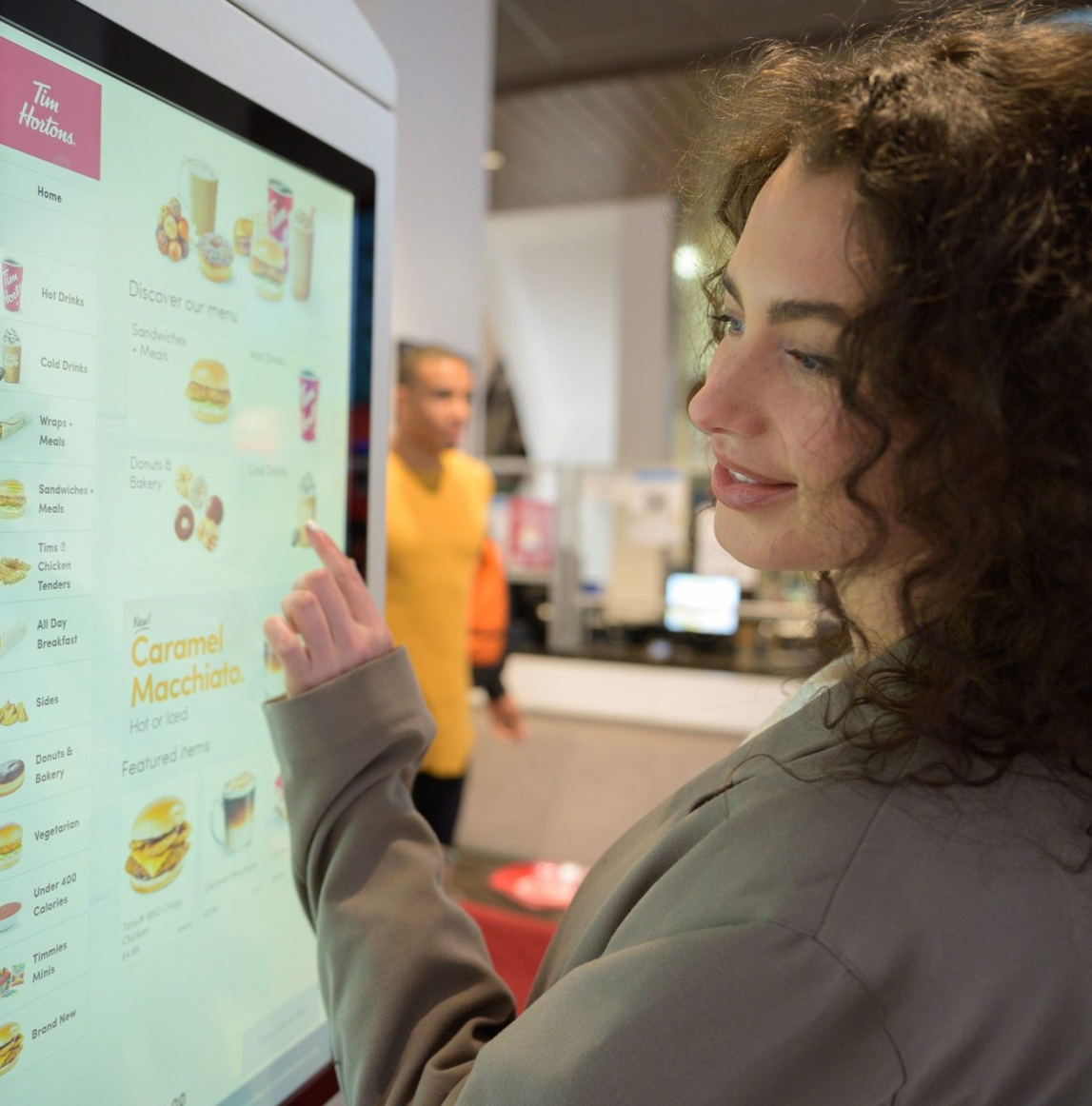
While check-in kiosks are great at speeding up a once laborious process, and smart signage can dynamically showcase the latest offers, their real potential can be found when they work together.
A connected ecosystem isn't just about throwing more tech onto the stack. No, instead it's about smarter integrated solutions that share data and automate processes, all for the benefit of a more unified guest experience across every touch point, be it a check-in kiosk or an in-room tablet.
Here, we’ll explore how hotels can successfully move beyond ‘a kiosk here, a digital signage board there’, and instead build something that takes a guest on a journey through their stay.
Today’s hotel guests expect the same level of convenience, speed, and personalisation from their hotel stays as they do when ordering food from their phone. To them, the difference is negligible.
This expectation begins when they visit a booking website, all the way through to when they hand back their room key.
Unfortunately, disconnected systems end up just slowing down operations and becoming the blocker that they never intended to be, causing:
Long queues
Repeated data entry
Poor messaging
However, when systems are connected, information flows naturally and reduces the friction that all too often leads to negative brand sentiment.
For instance, imagine a returning guest checking in at a self-service kiosk. The systems, now connected, can suggest room upgrades or additional services based on past bookings. Upon arrival in their room, personalised digital signage welcomes them and includes a relevant offer for a drink in the hotel bar.
Beyond giving outstanding guest experiences, integrated solutions streamline the operator's workflow and staff are now freed up to focus on customer issues that a kiosk cannot solve, further enhancing the experience for the guest.
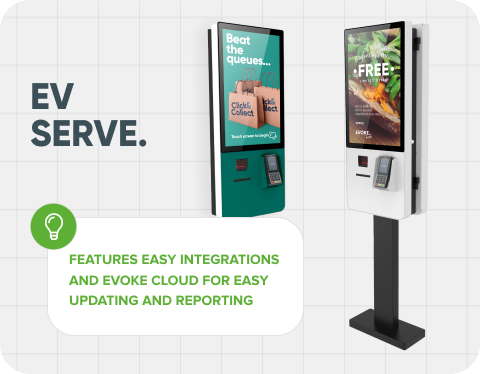
To the untrained eye, self-service kiosks are perceived as standalone terminals, good for one task. However, in a connected system of tech, they are powerful assets with multiple functions that sit at the heart of the guest's journey in ways they’ll never see.
Kiosks' core function is their ability to reduce friction at high-traffic times by empowering guests to carry out their own check-ins. This is particularly vital in hotels with a limited lobby footprint and a small number of front-desk staff.
When kiosks are ‘plugged in’ to a hotel CRM and property management system, kiosks become tools for dynamic guest engagement.
For instance, they can:
Display targeted upsells based on booked data or previous stays
Collect guest preference data and feed that back into the CRM to enhance future interactions
Sync with the keycard dispenser to fully automate the check-in process
UK Hotel chains such as Premier Inn are putting kiosks at the centre of a modern, hybrid customer experience that caters to tech-savvy customers and guests who feel more comfortable with a traditional check-in process.
Digital signage is often not thought of as anything more than just a natural progression from old-fashioned cardboard signs. However, it plays a vital role in engaging guests throughout their stay.
Good signage should be dynamic, not static and serve as a real-time communication platform that meets the needs of guests at different times of the day.
For example, during check-ins, signage can display queue times or direct guests to available kiosks. It can also promote dining offers or events nearby, adding a layer to the customer experience and giving insights guests wouldn't have even thought about wanting.
When properly connected to booking systems, signage can also highlight last-minute room upgrade availability or flash deals that create an additional, passive sales channel within the property itself.
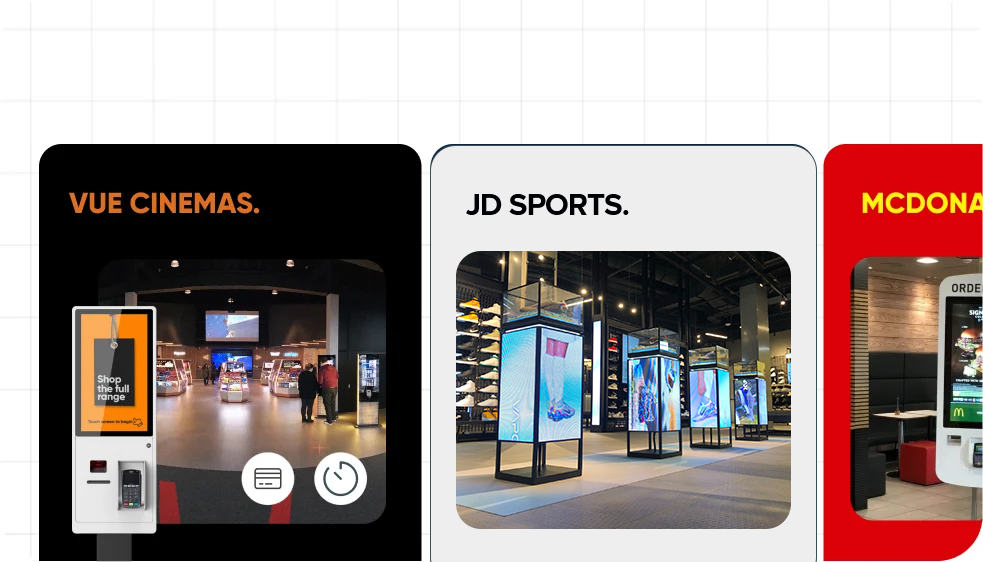
Evoke work with JD Sports to install digital signage that created immersive environments and inspired customer interaction, all while reducing dwell time. A similar environment can be created in hotels with digital signage, creating mood-based experiences depending on the time of day.
Signage’s true effectiveness is its ability to adapt in real time. Content can be updated at the touch of a button (especially when hotels use Evoke’s Cloud and OS technology) across the entire signage estate.
Too many hotels still treat kiosks and signage boards as standalone installations that have separate:
Management systems
Updated processes
Vendor relationships
Putting tech into silos offers very few benefits and a lot of inefficiencies. Efforts to make changes to content are doubled when kiosks and signs aren’t under the same operating system, which not only takes longer but also runs the risk of inconsistent messaging. And all that is before you consider the separate support costs associated with multiple tech vendors.
It doesn't have to be this way, though.
Ecosystem thinking connects all these components under one integrated infrastructure. The kiosk software speaks to the points of sale, which communicate with the back-office system.
With Evoke Cloud, hotels can manage from a central dashboard and enjoy:
Real-time updates and diagnostics of kiosk performance, ensuring any downtime can be managed better.
System-wide telemetry to monitor user behaviour across entire estates so leaders can make proactive changes to each tap, swipe, and check-in.
All brand content can be managed from one device, giving marketing teams the power to tweak offers while remaining hyper-personal to the area.
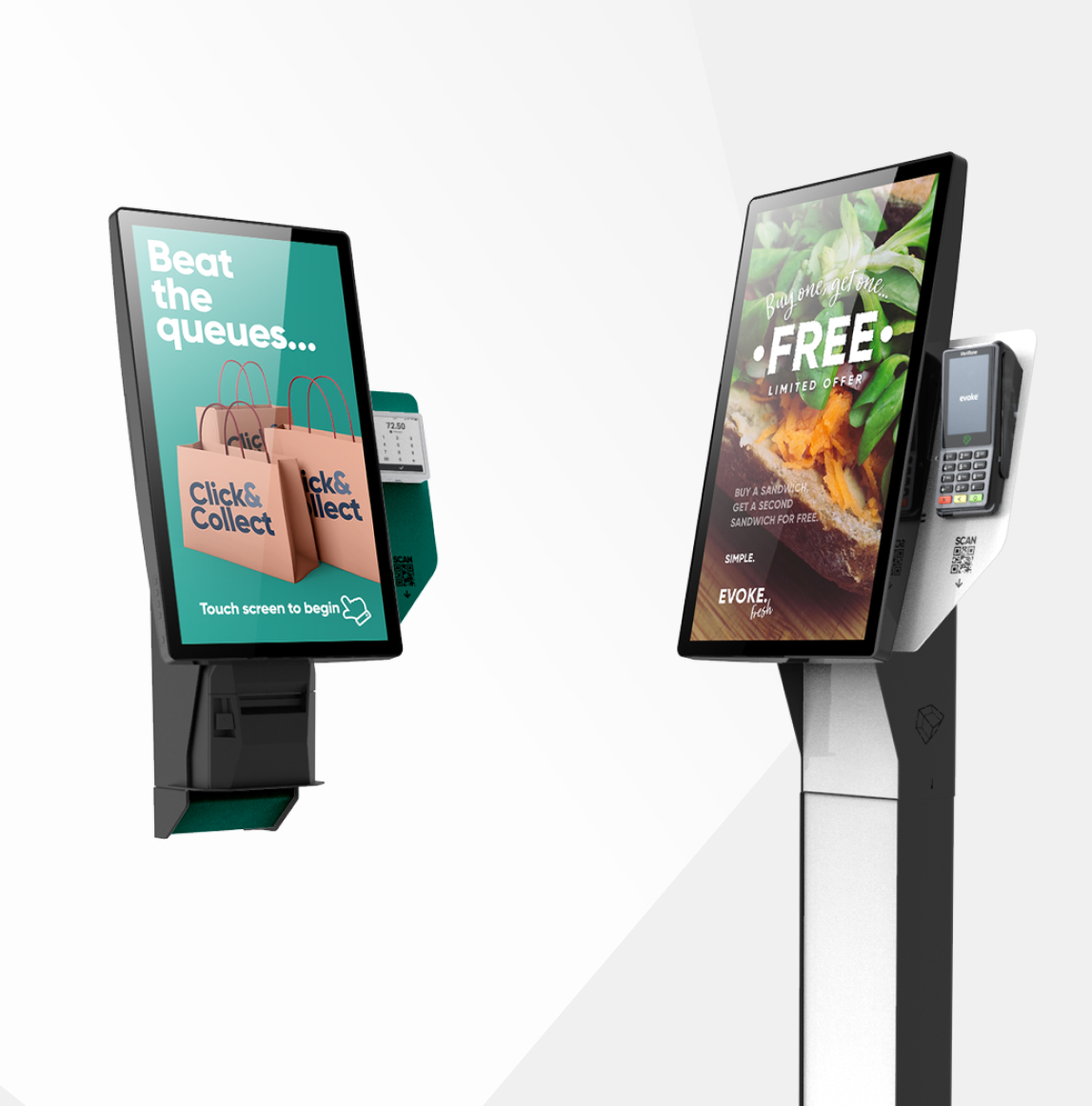
Let’s talk about what a connected kiosk and signage ecosystem could look like for your hotel.
A connected ecosystem transforms the economics of a hotel’s operations by streamlining the guest experience and raising the standards of it to the expectations of customers.
Efficiency gains
Automating routing tasks reduces the reliance on front desk staff to carry out repetitive actions that add little value to the overall experience (in fact, in many cases, they’re usually dealing with guests who are already frustrated). Instead, staff can be reallocated to roles that truly enhance the experience and are available for the issues that require empathy and nuance.
Marketing and upsell enablement
Signage and kiosks can be programmed to display personalised offers by analysing guest behaviour and booking patterns, helping to boost average spend per visit. For instance, John's last booking indicated he purchased a late check-out, so on his next visit, a prompt for him to purchase another appears automatically.
Data
Every interaction a guest has at a hotel is filled with data. From the time they spend at a kiosk to the time they check in. Of course, these insights were always there. It's just now there is the kiosk and signage technology to analyse them to help inform staffing decisions and content scheduling.
Remote support
Cloud-based infrastructure means system issues can be diagnosed and often resolved without the need for an expensive engineer visit. Real-time telemetry allows for faster, more targeted problem-solving when on-site fixes are needed.
Total cost of ownership
Multiple maintenance contracts and training programmes are scrapped by integrating systems and replacing them with something streamlined. Over time, operations expenses (OPEX) come down because the number of vendors is reduced.
Sustainability
Digital signage removes the need for and cost of physical collateral and printing costs. Remote updates extend the life of hardware that might otherwise have been retired earlier than necessary, reducing a hotel’s carbon impact.
Leaders in the hospitality sector aren’t just buying technology. They are part of a business’s transformation. There is a financial need to partner with a business that understands the implications of introducing new digital technologies.
Evoke does that by supporting clients at every stage of the rollout. Our concept development and white-glove POC (proof of concept) rollout reduces risk and builds crucial internal momentum for change.
The result? Deployment of transformative tech that works in the real world.
-1.jpg?width=1147&height=1162&name=CTA%201%20(1)-1.jpg)
Book a discovery session with Evoke and start designing your connected hospitality ecosystem today.
Proven sustainability initiatives have become a baseline expectation in the hospitality industry,...
Visit any hospitality setting, and you’ll find that some sort of digital technology is helping you...
%20(1).jpg)
Rising operational costs are forcing UK hotels to make cuts to key areas in order to keep their...