

Original Equipment Manufacturing benefits for the Quick Service Restaurant sector
It’s no secret that the Quick Service Restaurant sector is a highly demanding industry. It’s...
When comparing kiosk suppliers, it's natural for procurement professionals to focus almost solely on the upfront cost. After all, two kiosks can have the same-looking screens and appear to have the same functions while carrying drastically different price tags.
It may seem logical to choose the cheaper unit, but what looks like a saving during the procurement process can become a much larger expense once the realities of owning a less suitable unit start to appear.
Kiosk deployments aren’t about buying the least expensive units, but finding the ones that deliver reliable performance and are adopted by customers over the years of operation.
When selecting kiosk estates, procurement teams are under just as much pressure to demonstrate value.
This sees lower-priced kiosk proposals become more attractive during evaluations, not necessarily always because of the price but because it's easier to obtain internal buy-in from stakeholders.
This choice, however, neglects the fact that kiosks are business-critical operational tools that need to not only function reliably but also work alongside existing tech stacks from day one.
So while cheap self-service kiosks may reduce the initial investment, the savings made in that purchase will more than likely disappear if the hardware needs repairs or the units fail to integrate with existing systems.
The difference between suppliers often comes down to factors that can’t be viewed on a specification sheet. Yes, both units may have HD screens, but the quality of equipment and the support infrastructure in place can all make the difference in the long-term value of the estate.
This is why experienced operators evaluate an estate through a kiosk total cost of ownership lens so that the solution chosen delivers the strongest commercial outcome.
Many of the costs that determine whether a kiosk estate has returned on its investment are rarely visible in the original proposal and instead emerge once the kiosks are in the field.
Maintenance is one of the most common examples. Lower-cost kiosks are often designed and built with consumer-grade goods that aren't set up to handle the rigours of commercial use. Putting stress on these cheaper components rarely results in anything other than high failure rates and increased engineer visits.
How these cheaper units integrate with what's already being used can be expensive. If kiosk software can’t work effectively with POS systems or help ensure loyalty schemes continue providing customer value, then costly development work post-launch may be needed.
Future support and software costs are another area that buyers sometimes underestimate, with planned updates and technical support contributing to the real cost of owning a kiosk estate. Suppliers that offer remote, cloud-based support, while more expensive, help to reduce costly, unexpected periods of downtime.
There is also the cost of future change. The ways customers pay, or how they expect these sorts of transactions - be it buying tacos or checking into a hotel - to be carried out are likely to evolve sooner rather than later. Hardware that can’t be updated remotely will often require expensive retrofits long before the original business case for the kiosks has delivered the expected return.
As mentioned previously, these costs don’t show up on a proposal at the pitch stage, but their effects are soon felt and have a greater impact on ROI than most other things.
The most expensive kiosk is almost always the one that is sitting idle, not bringing in revenue. Cheap self-service kiosks that fail during peak trading periods have immediate effects on revenue and customer experience.
Once the ‘Out of Order’ sign is on, orders go missing, and staff are forced back into manual processes that the technology was designed to remove in the first place. How ‘in use’ a kiosk is, for many procurement teams, the clearest indicator of whether a deployment has been successful, because if the units aren’t being used by customers, none of the projected benefits can be realised.
Our own deployment experience here at Evoke regularly highlights uptime as one of the most important drivers of ROI because usage generates value.
The effects of downtime spread to other areas of the organisation, too. Most notably in staffing costs. Team members who would have otherwise had higher-value interactions with customers are now troubleshooting tech issues and managing frustrated audiences.
Ultimately, unreliable kiosks damage trust in self-service altogether, and customers quickly learn which channels they can rely on.
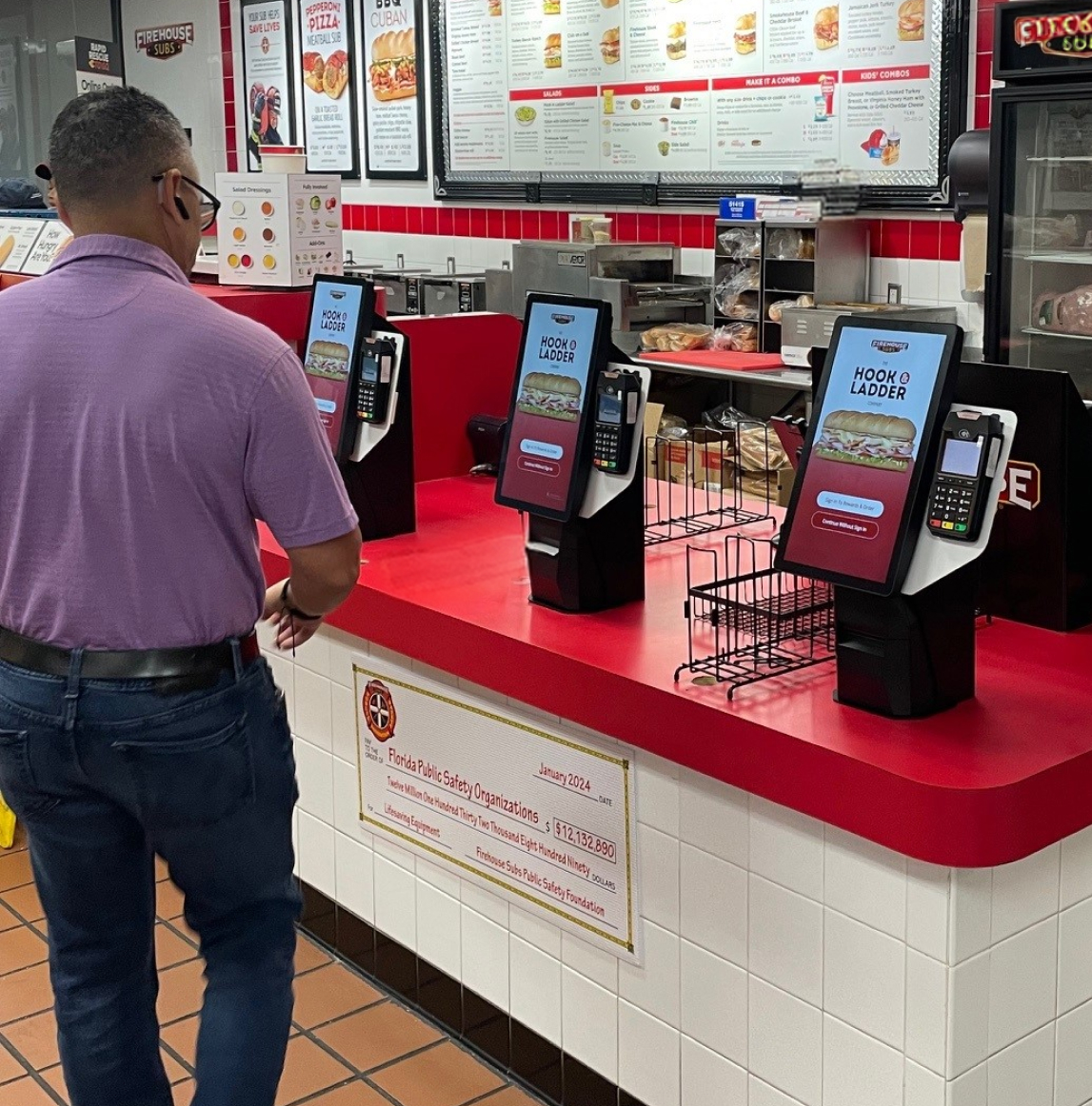
.jpg?width=1147&height=1162&name=Middle_CTA%20(2).jpg)
If downtime has affected your business, maybe it's time to view our range of kiosks that offer supreme uptime and seamless customer adoption.
One of the biggest procurement mistakes is evaluating kiosks against what is needed today and today only.
A kiosk investment is always significant and, as a result, is expected to deliver value for many years. And during that time, an organisation will likely want to introduce new services or adapt their customer experience to new expectations, which is where premium, modular platforms make these changes significantly easier.
By contrast, budget hardware often lacks the flexibility needed to evolve. What initially appears to be a low-cost solution becomes a white elephant for a retail organisation in a year or two's time, when the entire estate needs to be replaced, and the business must go through another expensive re-procurement cycle.
Forward-thinking operators see the value in a premium supplier such as Evoke that can assess not just what is needed on day one but what an organisation might need on day 1,001.
It's clear then that rather than focusing exclusively on unit price, there are several factors that need to be evaluated.
Questions procurement teams should be asking potential suppliers include:
Choosing a supplier isn't only about finding one that delivers hardware, installs, and disappears. Long-term success from a kiosk deployment depends on maintenance and the operational expertise of the supplier as much as the hardware alone.
At Evoke, we take a consultative approach that focuses on supporting clients from deployment all the way through to proactive post-launch support.
The strongest business cases are built around the outcomes of technology rather than the cost of it.
Comparing suppliers purely on capex is too narrow an approach and ignores the real factors behind a successful kiosk estate, be it customer adoption, average order value, or expected lifecycle.
The ultimate goal is to find the kiosk solution and partner that delivers the best return across the entire lifecycle of the investment.
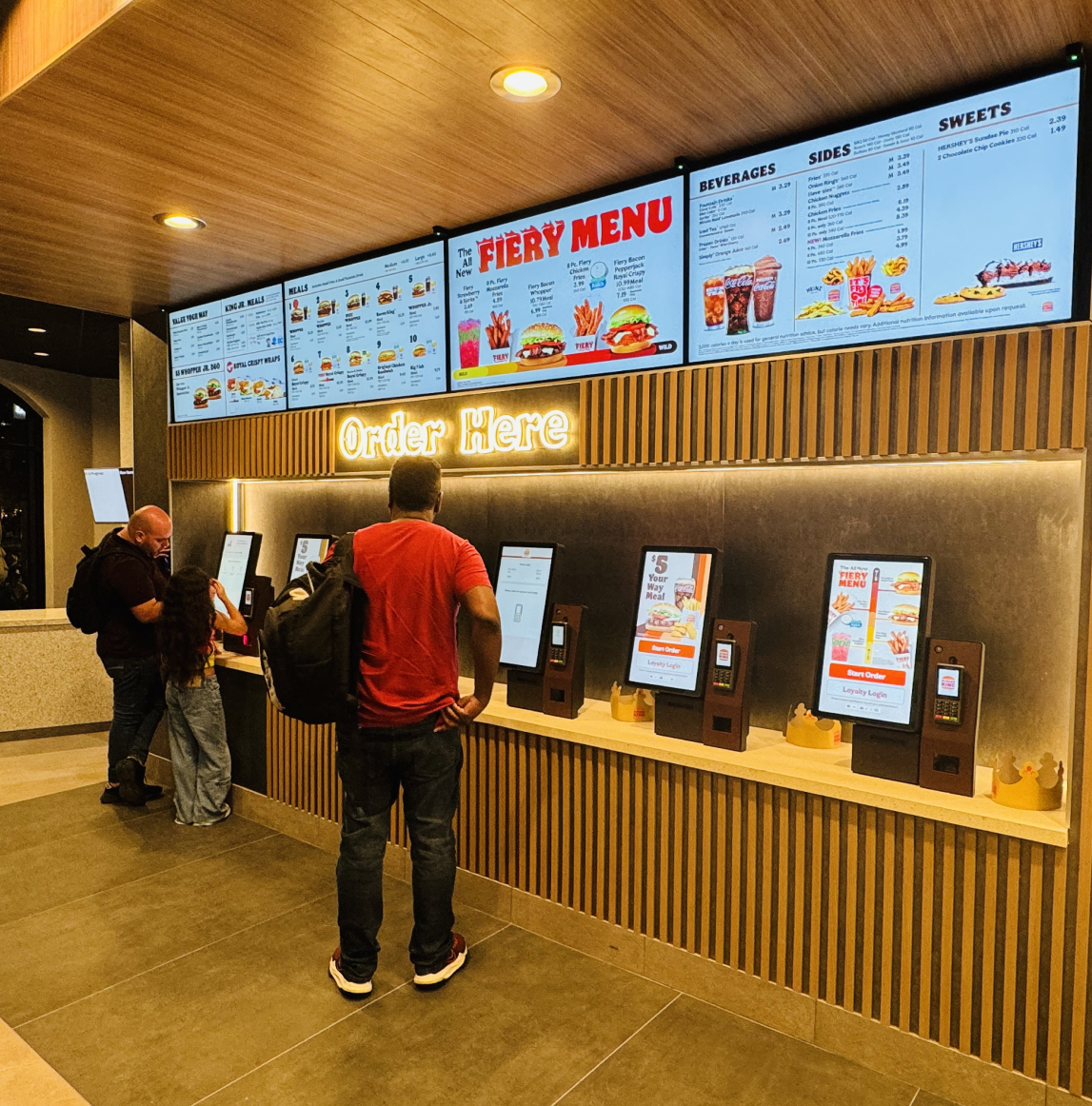
.jpg?width=1147&height=1162&name=End_CTA%20(2).jpg)
It’s no secret that the Quick Service Restaurant sector is a highly demanding industry. It’s...
.jpg)
When comparing kiosk suppliers, it's natural for procurement professionals to focus almost solely...
Speed and efficiency have always been pretty important to success in the fast-paced, highly intense...