

-4.jpg)
How AI Is Reshaping Digital Interactive Kiosks: From Static Menus to Predictive Personalisation
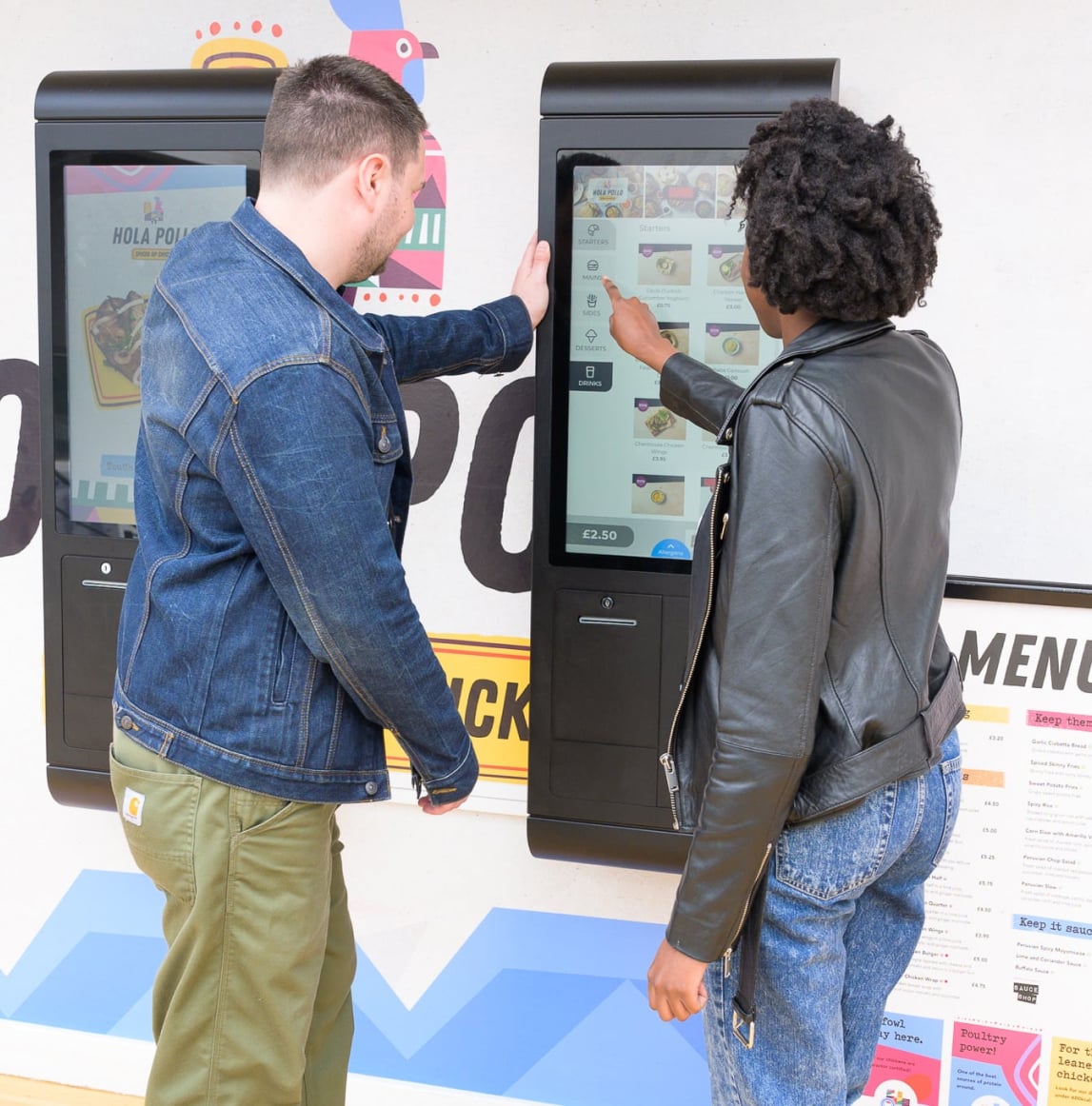
Self-service kiosks, in the last few years, have transformed how customers interact with...
Proven sustainability initiatives have become a baseline expectation in the hospitality industry, with a majority of travellers saying they would be more willing to spend a night or two in a hotel that offers a more eco-conscious experience.
This expectation has created pressure on operators to not only meet it in the hotel environment itself but also demonstrate progress through transparent sustainability reporting. So while you may encourage a paperless check-in or invest in in-room technology to cut down emissions, hotels also need to show how their entire business operation is geared towards being green.
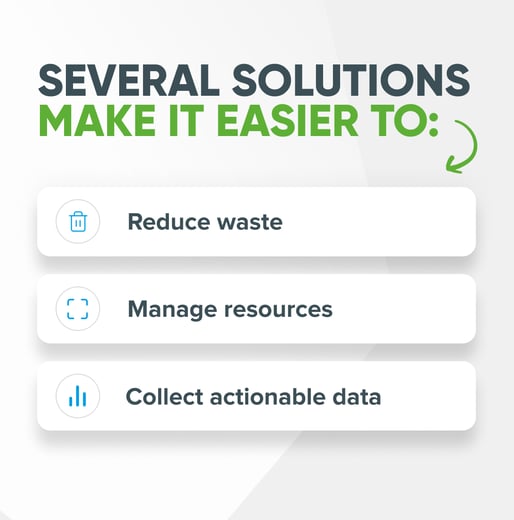 Smart technology is emerging as one of a number of solutions that are enabling hotels to be green and show the effectiveness of it, too.
As we’ll see, several solutions make it easier to:
As sustainability reporting becomes an increasingly competitive differentiator, hotel leaders now need to align their investments in tech with their wider environmental impact.
Here, we’ll showcase how new hotel technologies can ensure alignment and improve the overall guest experience.
At their core, self-service check-in kiosks drastically reduce a hotel’s paper usage, almost overnight. Once a successful kiosk estate rollout is complete, hotels no longer need to rely on printed registration forms, receipts, or key room sleeves. While per-guest, this reduction may seem small, when compounded over a week, month, or year’s worth of guests, the environmental benefits are significant.
With digital check-in at the heart of the customer’s experience, guests can now complete their arrival quickly and intuitively. This reduction in friction in one of the most operationally intense parts of the hotel also brings with it secondary emissions benefits. For high-traffic sites in city centres or near large transport hubs, kiosks allow for faster check-ins for guests at times that suit them, resulting in a drop in prolonged queues during particular windows.
And while some may see more screens as the opposite of curbing environmental impacts, modern kiosks are efficient pieces of tech whose impact is far outweighed by their benefits in curbing downstream emissions.
Digitising journeys like check-in allows hotels to bake sustainability messaging into that process. They can, for example, showcase their initiatives and what they’ve achieved so far, as well as empowering guests to think about their own usage during their stay from the moment they arrive, setting the tone for greener stays.
Optional features like digital key cards further reduce reliance on plastic, and the data captured at check-in can feed into wider sustainability dashboards.
Integrated internet of things (IoT) systems can have transformative effects on energy usage by detecting room occupancy and automatically adjusting things like:
Lighting
Heating
Air conditioning
Monitoring and remotely controlling these elements ensures energy is only used when and where it's needed. When guests leave their room, systems can disable energy-hungry amenities and power down lights without housekeeping staff needing to do it manually.
And while guests may not notice if their thermostat is turned down two or three degrees or that the TV has been turned off after three hours of inactivity, the compounded effects of these will be noticed in the month-end energy reports.
Energy data across the estate can also be captured centrally and used in ESG disclosures and internal efficiency KPIs. Teams across the hotel can also use occupancy analytics to identify real-time inefficiencies and address them proactively before they have a significant impact on both emissions and guest satisfaction.
And by linking occupancy to housekeeping, schedules can be optimised to reduce unnecessary cleaning and keep headcounts as streamlined as possible. These smart systems can be used in other energy-hungry areas, such as gyms or back-of-house facilities, ensuring energy efficiency is felt everywhere.
These solutions can be particularly impactful when retrofitted into legacy buildings to help deliver modern performance without having to rip out existing infrastructure. For hotel chains with multiple properties or large singular estates, the effects of all these small changes compound to deliver transformative results.
Replacing traditional in-room telephones and printed directories with tablets significantly reduces resource use across each room. Tablets can be used for several purposes, allowing guests to book amenities, request housekeeping services, or access entertainment, all from one low-energy device.
Hotels can also save thousands of sheets of paper (and potentially thousands of pounds, too) by eliminating printed welcome packs and menus. Which, as well as the obvious environmental benefits of that, also allows marketing teams to display more dynamic, personalised content.
Tablets also help to promote greener guest behaviour by offering options like “Skip daily cleaning” or “Request fresh towels on demand”.
These sustainable choices can also be incentivised via tablets, rewarding guests with loyalty points or discounts for selecting greener options. Putting these decisions front and centre of the guest encourages them to make green decisions they may not have made had they not been encouraged too.
In-room technology like this can and should be connected to the hotel’s CRM or PMS to enable effortless personalisation, which results in a significant return on investment and improves brand sentiment.
Other, broader content updates can be done remotely, too, and information can be shared or amended in seconds, avoiding the waste associated with printed materials going out of date and having to be scrapped.
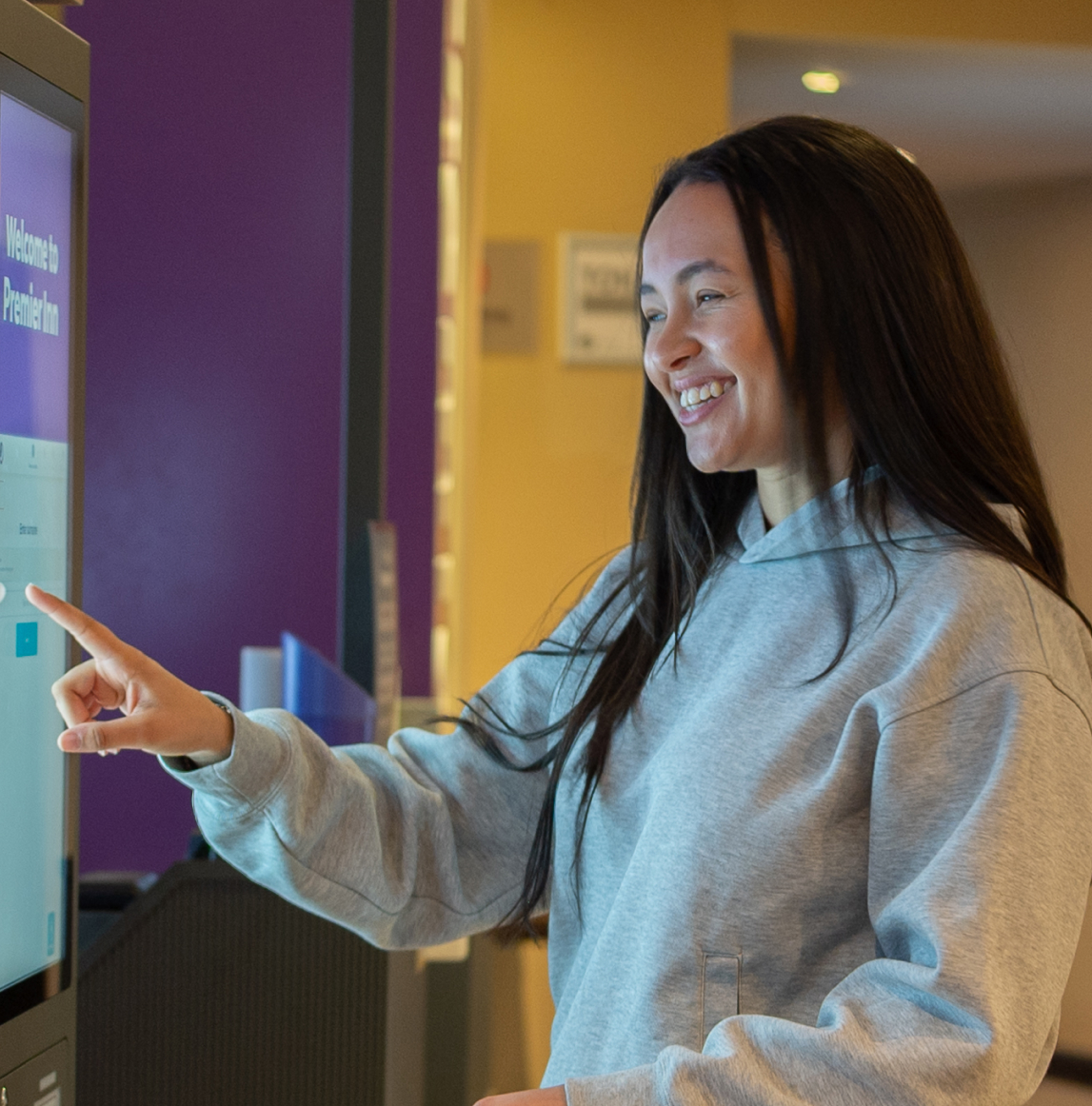
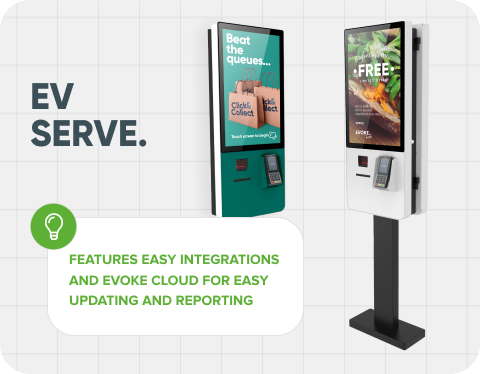
Our range of kiosks not only enhances your guests’ experience, but they can help you to become a greener hotel.
Digital signage replaces static posters and other printed materials, which themselves come with scope 2 and 3 environmental impacts associated with printing and transportation, as well as disposal-related emissions once they become outdated.
Content can be updated instantly across multiple properties too, eliminating the need for reprints and manual distribution across estates which can span the country. The screens themselves can be used to highlight sustainability achievements across the estate, with hotels showcasing real-time energy saved and litres of water conserved by guests during a particular period, making them feel part of the movement towards green hospitality.
And, as well as highlighting what has already been achieved, digital signage can also showcase what could be achieved. Combining prompts in lobbies and near lifts about how to engage in more sustainable behaviour, combined with further prompts in-room, helps keep that message alive even when guests are in their rooms.
All in all, digital signage solutions provide your hotel with a long-term, sustainable canvas on which you can reinforce your environmental message and credentials in an on-brand way that doesn’t come with the looming threat of misprinting or outdated campaigns.
Every piece of technology outlined here will almost certainly contribute quantifiable data to your ESG reporting framework. With kiosks and in-room tablets acting as key interaction points for guests, the data from this around energy consumption and guests’ own choices can help your hotel demonstrate sustainability progress with confidence.
As well as demonstrating compliance, the insights from integrated tech allow large hotel groups to benchmark how well hotel X is doing compared to hotel Y, meaning they are better able to spot underperforming trends in hotels before they become a costly issue.
Tying a reduction in environmental impact to wider operational efficiency helps support a stronger case for further investment to leaders who may see more traditional initiatives as costly exercises. For instance, energy optimisation doesn't just cut emissions, it reduces operational expenditure across all utilities. Similarly, self-service guest journeys drive satisfaction among customers and help reduce the need for additional headcount investment.
Smart hotel tech ensures sustainability goes beyond thin marketing claims into a measurable business advantage.
Evoke is a trusted UK-based guest tech partner with proven experience across several industries:
Hospitality
Retail
QSR
Transport
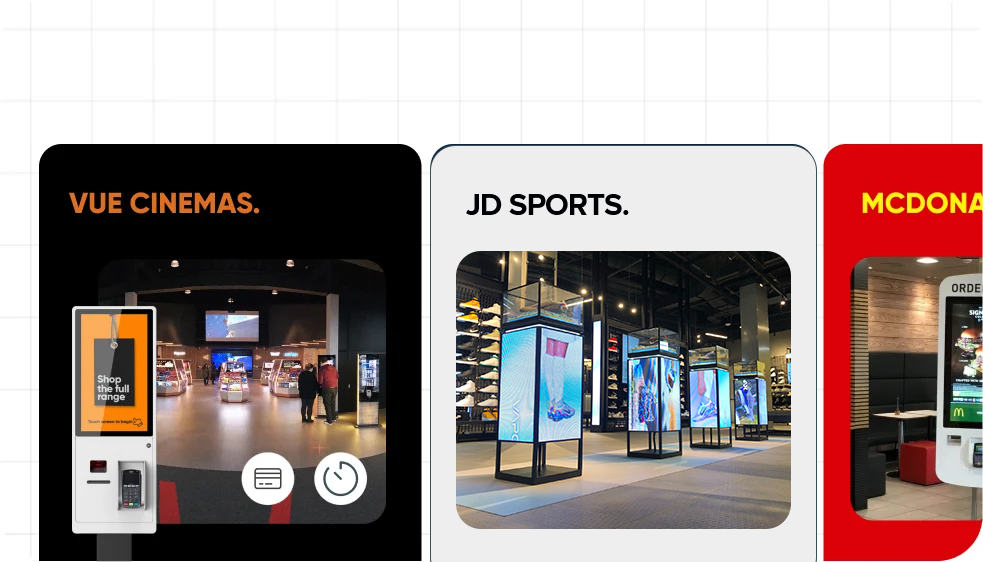
Evoke delivers proven deployment strategies that begin with consultation and pilot schemes and continue post-deployment for transformative effect for clients, including Premier Inn, JD Sports, and McDonald's.
The true environmental benefits can only be felt by working with a partner who goes beyond a ‘simple’ hardware installation, but helps to align hardware with the customer experience and broader integration.
We build sustainability into our systems from the start, whether that's the durability of the hardware or the way we manage efficient rollout to minimise hotel disruption. Being based in the UK means we onshore a significant portion of our production, ensuring shorter lead times with lower overall emissions.
We’re the partner for hotels looking to modernise sustainably, so they can move forward faster.
Smart hotel technologies meet rising guest expectations and your environmental goals.
All you need now is a partner who can help you get there.
Evoke’s technology is ready to help you become a greener hotel, be that through improving legacy hardware or completely overhauling your hotel’s technology.
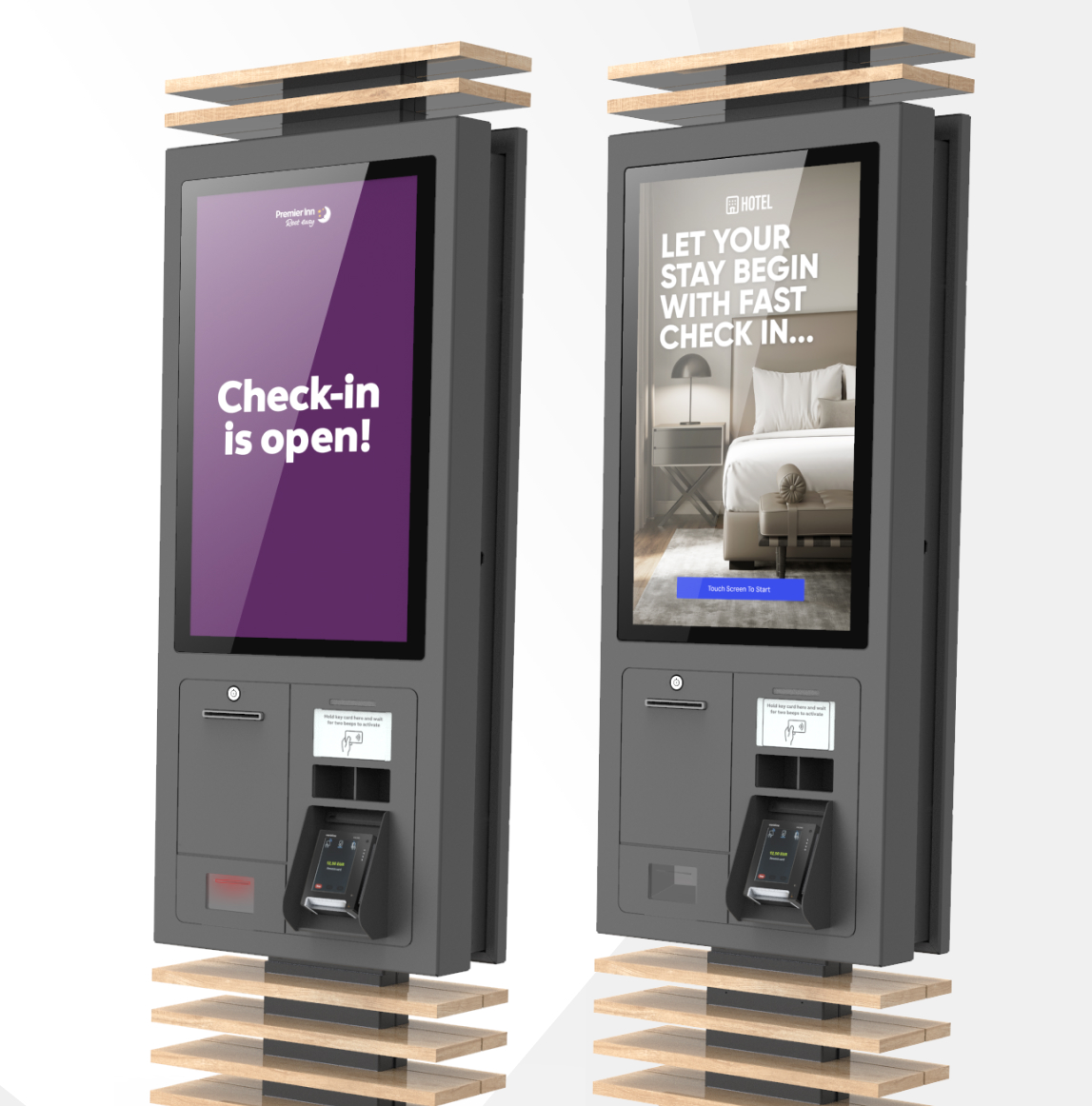
Book a discovery session with the Evoke team to explore how our hotel tech can improve your sustainability.
Self-service kiosks, in the last few years, have transformed how customers interact with...
Digital ordering technology has become a necessity for businesses across a number of different...

Whether you operate a Quick Service Restaurant, hotel, or similar type of hospitality venue,...